

Posted on
Latest News


Latest Blog Entries


Latest Reviews


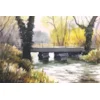
A thank you and about Acrylics
How members comments are so important. Acrylic paints today.

When I post my work on my FB page I am able to respond to the comments posted both by the members of my online group and all others whether from my home page or the special interest group to which I belong. Here on POL in my early days of posting images, I often responded to contributors to either express my thanks or explain some part of the work that had prompted a particular observation from the subscriber. It was never clear to me if my response was ever read by anyone, so after a while I stopped doing it. So in this short blog I would like to remedy that apparent absence of gratitude to everyone who takes the trouble to comment favourably or otherwise on the work I present to them. I see from the comments that I have many "regulars" who often pounce on an image whilst it is still warm!! It would be invidious to name anyone specifically but you all know who you are and I am always delighted to see what you have to say. Thank you all very much indeed. If you would like me to add comments following your input please let me know. By Jove I feel better after all that! Turning now to the more mundane topic of Acrylic paints and their place in the production of fine art and for that matter the not so fine art. In one of my latest submissions Robert Jones comments on the progress that has been made since their introduction in the late 70s and early 80s. I was an"Oils man" for many years having been given the bug by my art master at my Secondary Modern School in Plymouth. Bob Meesum, was very progressive and hauled out half a dozen of us to raise up to GCE level. Part of that process was tuition in oil painting . So I have been painting on an off since I was about 14 or so. The change to acrylics came in the 80s when my wife and young son were living in a very small Married Quarter. My painting gear was stored in a small broom cupboard and I had to paint in the area between the kitchen and the living room! Oils,Turps and Linseed oil were not acceptable I was firmly advised. Acrylics were the answer. These were then only available as fast drying paints. All the blending techniques of oils had to be abandoned . I read a lot about them and experimented at some length was glazes and other styles of adapting my style to the new medium. Much later the slow drying varieties came into being. But the art world thought Acrylics were the sole domain of abstract and expressionist art form. Large blocks of colour or dots and slashes etc. No serious painter would use acrylics for more traditional subjects. These new paints changed all that, for me and hundreds of other painters. Still I hear Oil painters talk of Acrylics as a lesser medium. I have no idea why such prejudice maintains. These days there are magnificent painters in all genres of art Wildlife to Aircraft to Autos and Marine work. You name it ,we Acrylic practitioners can produce it. I now work use all the techniques I learned all those years ago with the added bonus of not having to wait weeks for my work to dry and months to get it varnished. Best of all, no odours. I know that there are now may additives and gels available. i don't use them. Plain water to wash the brushes and when I remember distilled water to thin the paint, otherwise it is what comes out of the tap. Disadvantages of course that they dry flat and darken as they do so. Some times I paint highlights several times to get the sparkle or shine needed. I use a Satin varnish to finish off. I brush this on and do not use a spray. The paint does not have the same silky texture of oils as it comes off the brush but I can live with that. Oils can produce the most wonderful, magical effects in the hands of a skilled painter, but honestly, Acrylics are capable of producing the highest quality images given practice and enthusiasm for the medium. I have tried most of the mediums , gouache, pastels, watercolours, pencils even screen printing. I take my hat off to all the practitioners of these mediums they defeated me. In conclusion, thanks for reading this far. If you haven't tried the paints do have a crack. Especially if you are painting near the kitchen.
Latest News
Latest Blog Entries
Latest Reviews
Comments
Login or register to add a comment