




Oil painting is an art form rich with possibilities, and one way to truly elevate your technique is by incorporating mediums into your practice. Mediums can enhance texture, luminosity, and drying times, giving you more creative control and flexibility. Whether you’re aiming for a glossier finish, a matte look, or a smoother application, mastering both traditional and modern mediums can significantly enrich your artistic journey.
When first exploring oil painting, it is natural to focus on the basics: brushes, colours, and canvas. Yet, one of the most transformative tools in your arsenal is the medium. These versatile additives can alter your paint’s behaviour –making it thicker or thinner, glossier or matte, and faster or slower- drying. Whether building texture, creating delicate glazes, or achieving smooth paint flow, mediums open up a world of creative possibilities. Many artists are hesitant to use oil paints due to concerns about messiness, strong odours, or the need for harsh solvents. While traditional oil painting often involved potentially hazardous materials, modern advancements have introduced safer, more eco-friendly options. One such innovation is the Michael Harding Miracle Medium™ range – a collection of five unique, solvent-free, plant-based products. These non-toxic mediums emit no harmful fumes and cater to various artistic needs. To maintain paint quality, it’s recommended to use no more than a 10-per-cent medium-to-paint ratio.

What is a medium in oil painting?
In simple terms, a medium is any substance added to oil paint to alter its properties.
Mediums can influence:
• Viscosity: Adjusts the thickness or thinness of the paint.
• Drying Time: Speeds up or slows down how quickly the paint sets.
• Finish: Creates a glossy, matte, or satin effect.
• Transparency: Helps achieve luminous, layered effects.
• Flow and Brushability: Enhances the smoothness and ease of application.
Tips for using Miracle Mediums
• Start Small: Always begin with a minimal amount of medium and adjust as needed.
• Follow the Ratio: Do not exceed 10% medium in your paint mixture.
• Blend Thoroughly: Mix well to achieve a consistent texture.
• Test First: Always try the medium on a test surface before applying it to your main work.
• Fat over Lean: Apply leaner layers first, followed by fatter ones, to avoid potential defects.
• Consider all Five Miracle Mediums™ as a ‘fat’ medium, ideal for upper layers.
• Bonus Tip: MM0 Miracle Medium™ may also be used as an odourless, non-toxic and non-flammable brush and studio cleaner for safer studio practices.
Access even more top tips and tutorials designed to help you grow as an artist, with our Studio Membership! Enjoy Leisure Painter & The Artist magazine, inspiring video tutorials, member competitions, special discounts, and much more!

Mastering the glazing technique
- MDF board
- Non-absorbent acrylic primer by Michael Harding
- The Desert Range by Michael Harding
- Michael Harding Miracle Medium
- A large brush
- Paper towel
Start with a properly primed and prepared surface using Michael Harding Non-Absorbent Acrylic Primer. This ensures that your surface is suitable for oil painting and will enhance adhesion and longevity.
Apply your oil paint. Begin by applying your oil paint as usual, following the fat-over-lean technique.
Allow the paint to cure. Contrary to popular belief, oil paintings do not technically “dry”; instead, they undergo a process called curing, where the oil oxidizes and hardens over time.
This process can take weeks or even months, depending on the thickness of the paint and the environmental conditions. (For technical insights, refer to Ralph Mayer’s book, The Artist’s Handbook on Materials and Techniques.)
Top tip
While mediums can enhance your painting process, they are not always necessary. If you achieve your desired results without a medium, that’s perfectly acceptable. There’s no rule dictating that every oil painting must use a medium. However, some mediums, like the Michael Harding Miracle Medium range, offer unique qualities that can add depth and versatility to your work.

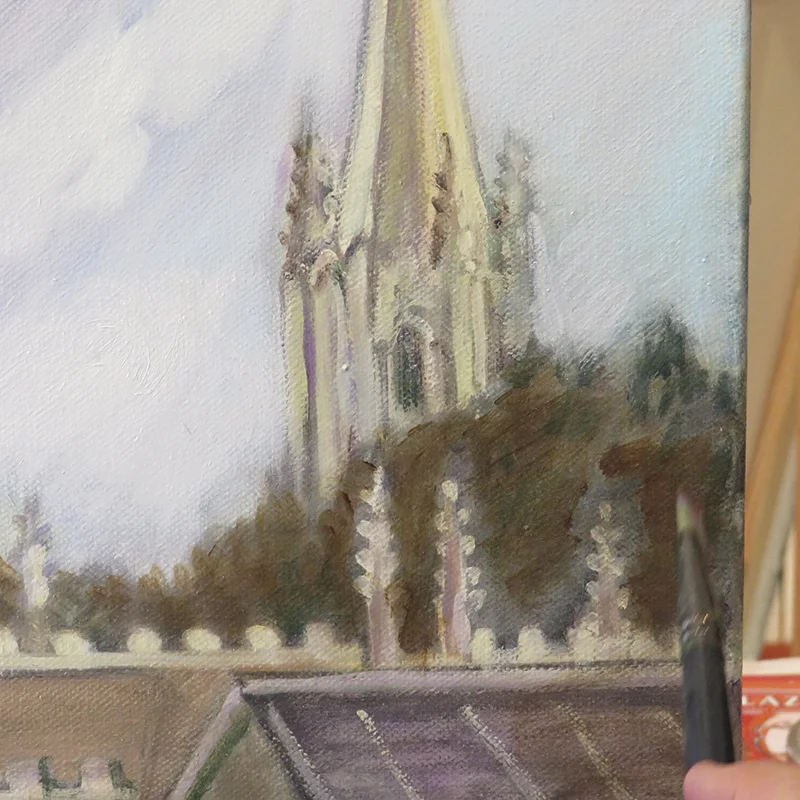
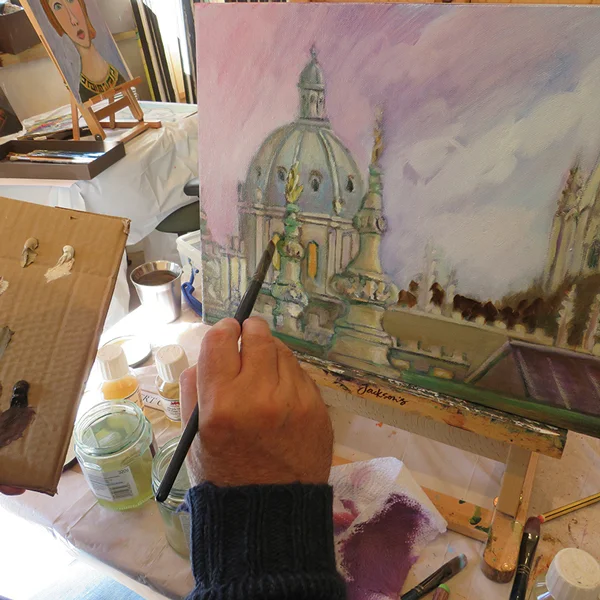
Image 1a
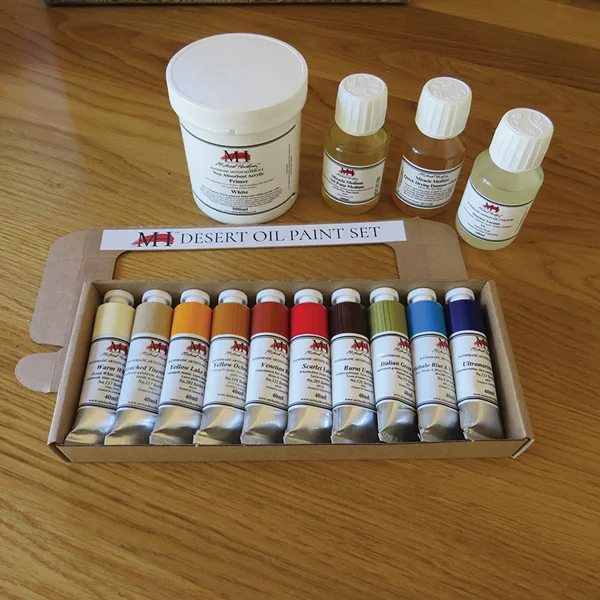
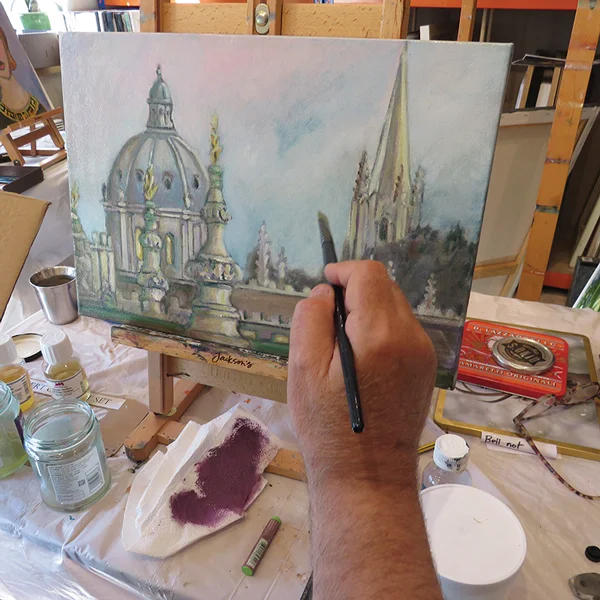
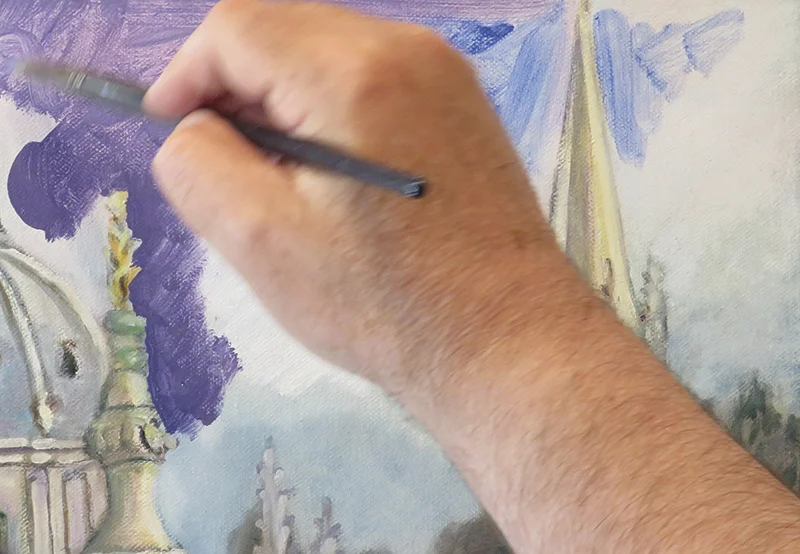
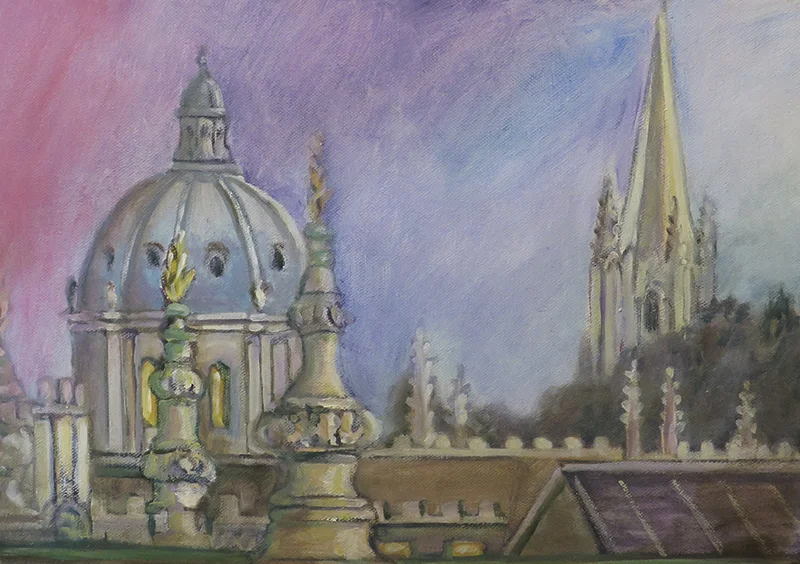
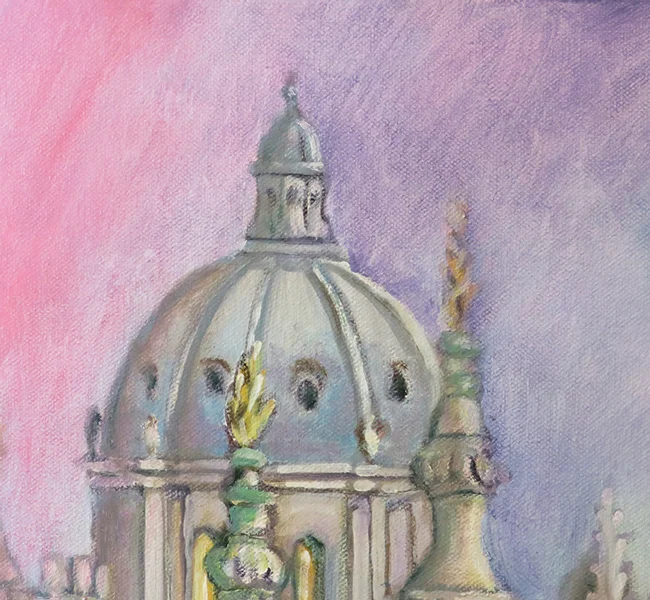
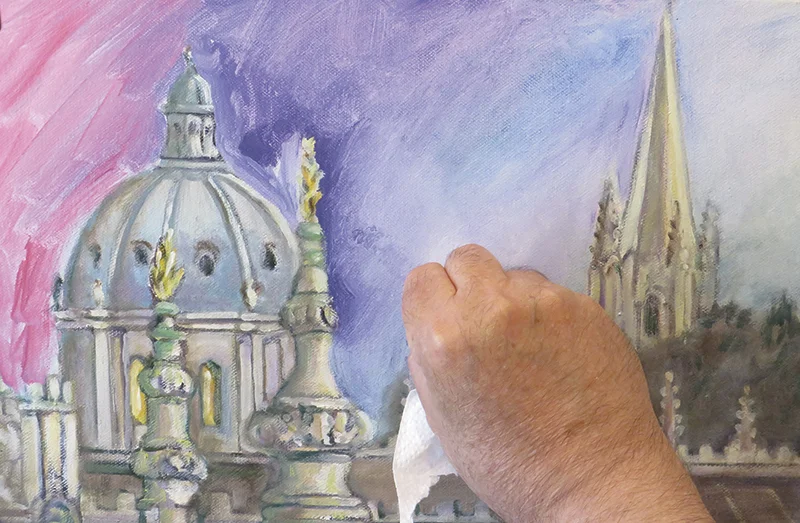
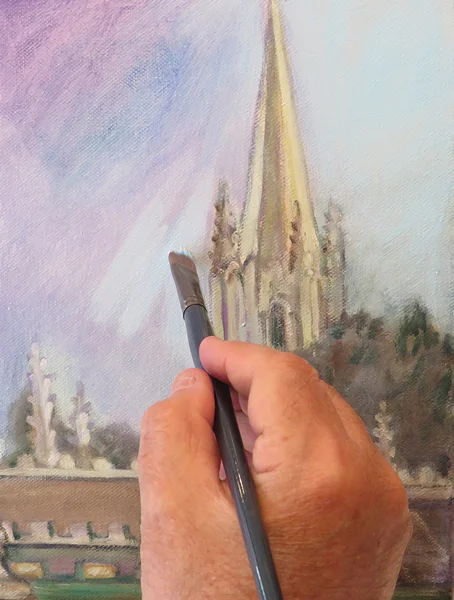
Once your painting has cured, mix your glaze: Combine a small amount of MM2 – Quick Dry Dammar Glaze Miracle Medium™ – with your chosen colour. Ensure the medium does not exceed 10-per-cent of the total mixture to maintain the paint’s integrity. (See images 1a and 1b)
About Miracle Medium
By incorporating MM2 - Quick Dry Dammar Glaze Miracle Medium™ into your glazing process, you gain better control over transparency and blending, allowing for a refined and luminous result.
Always start with a small amount of medium and build up gradually, ensuring your painting maintains its integrity.
The Michael Harding Miracle Medium™ range offers a safe, versatile solution for enhancing your oil painting. With five non-toxic, solvent-free formulations, these mediums maintain the integrity of your artwork while offering superior control and creativity.
For more tips and information, visit michaelharding.co.uk
