



Many people generally consider watercolour painting to be one of the safest art mediums. But like all creative materials, it’s still important to understand a few basic safety tips.
What ingredients are in your watercolour paint?
Pigments, binders and additives make up watercolour paints. Additives used can be honey, glycerin, or preservatives. Most are nontoxic, especially student-grade brands. However, some artist-grade brands can contain heavy metals or other potentially dangerous ingredients.
Look for labels: ‘Non-toxic’ or AP-certified means the paint is safe for general use. 'Cautionary labeling’ or CL means the paint may contain materials that require extra care (often in artist-grade paints).
Beginners tip: Always read the label or product safety sheet, especially if using professional grade or imported paints.

Watercolour paint safety
While brief contact with watercolours isn’t usually harmful, it’s still best to avoid unnecessary exposure.
Do:
- Wash your hands after painting
- Keep food and drinks away from your painting area
- Use a dedicated water jar - don’t drink from your rinse cup (easy mistake!)
Don’t:
- Lick your brush to shape the tip (a common bad habit!)
- Let young children or pets access your paint supplies unsupervised
Beginners brush care tip: Use clean water and mild soap to rinse brushes after each session, never suck on bristles to reshape!
Mind the pigments (especially artist-grade colours)
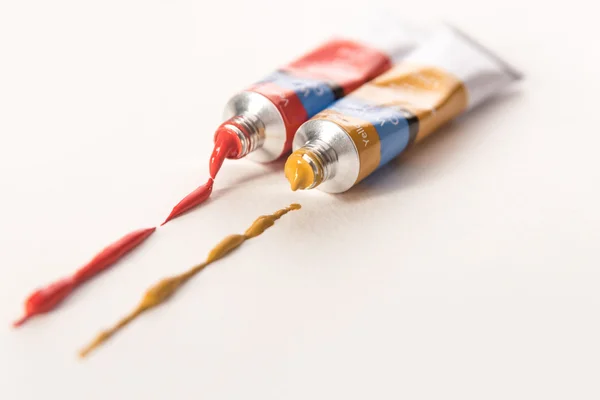
Some traditional colours contain cadmium, cobalt, chromium, or lead. These can be dangerous in powder form or with too much exposure. Many brands now offer 'hue versions', for example cadmium red hue. These mimic the original color, but manufacturers make them from safer synthetic ingredients.
Traditional pigments are safe when used as intended ie wet in paint form and not inhaled or ingested. When in doubt, choose non-toxic, student-grade watercolours until you feel more confident navigating pigment labels.
Workspace hygiene
Ventilation: While watercolours don’t emit fumes like oils or solvents, good airflow is always a plus.
Surface protection: Use a mat, tray, or old tablecloth to protect your workspace from staining.
Storage: Keep paints in a dry, cool place, away from sunlight, children, and pets.
If you're new to watercolour, don't stop here! Explore our other beginner-friendly guides to learn all you need to progress and develop your watercolour skills.
Watercolour safety with children and pets
Watercolour is great for kids, but supervision is key. Use only non-toxic paints clearly labelled safe for children. Skip small tubes or pans for younger kids as they may pose a choking hazard. Avoid sharing brushes or supplies between kids and adults who use artist-grade materials
Cats and dogs are curious so make sure you keep your paint water, palettes, and brushes out of reach.
Safe disposal of watercolour water
Don’t pour paint sludge down the drain, especially if using artist-grade pigments. Let solids settle, then dispose in the trash. Reuse water during your painting session rather than constantly rinsing to reduce waste. Consider using a jar with a strainer or two part rinse system to reduce paint water waste.
Quick safety checklist for watercolour beginners
- Use non-toxic paints to begin with
- Wash hands after painting
- Don’t eat, drink, or lick brushes while painting
- Keep supplies away from children and pets
- Read pigment labels, especially on artist-grade paints
- Clean up and store materials responsibly

Comments
Login or register to add a comment
No comments