



Whether you're just starting out or refining your skills, understanding different oil painting application techniques such as alla prima and impasto, can help you develop your own unique style.
Oil painting is a timeless and versatile art form, offering artists a wide range of techniques to express their creativity. Whether you're just starting out or refining your skills, understanding different oil painting application techniques can help you develop your own unique style.
In this guide we will explore these popular methods and learn how to apply oil paint like a pro.
Traditional brushwork techniques
Glazing for depth and luminosity
Palette knife painting for texture
Scumbling for atmospheric effects
Wet-on-wet (alla prima) for spontaneity
Underpainting and overpainting
Dabbing and stippling for fine detail
Splattering for expressive effects
Tips for beginner oil painters

1. Traditional brushwork techniques
Brushwork is the most common and accessible way to apply oil paint. The type of brush and the motion you use can create dramatically different results.
- Smooth blending: Use soft, flat brushes to create subtle transitions and gentle gradients—perfect for realism, portraits, and still life.
- Visible brushstrokes: Keep brushstrokes prominent for added texture and emotion, ideal for expressive, dramatic works.

2. Glazing for depth and luminosity
Glazing involves applying thin, transparent layers of oil paint over a fully dry layer. This technique adds:
- Depth and richness to colours
- A luminous, glowing effect—especially effective in portraiture and classical compositions
Use linseed oil or other painting mediums to thin the paint for a smooth glaze.
3. Palette knife painting for texture
Using a palette knife to apply oil paint creates bold, textured effects. It’s great for:
- Abstract art
- Landscapes
- Creating highlights and layered textures
This method produces a sculptural feel and adds movement and dimension to the canvas.

4. Impasto for dramatic Impact
The impasto technique involves applying thick layers of paint using either a brush or palette knife. This creates a three-dimensional surface where the brushstrokes become part of the composition.
Impasto is perfect for conveying raw emotion, energy, and a bold visual style.

5. Scumbling for atmospheric effects
Scumbling is a dry-brush technique where you lightly drag a small amount of paint over a dry layer, allowing colors underneath to peek through.
This technique is ideal for:
- Misty landscapes
- Atmospheric lighting
- Subtle texture and depth

6. Wet-on-wet (alla prima) for spontaneity
Alla Prima, or wet-on-wet, is the practice of painting directly onto a wet layer. This allows for fast, expressive results and seamless blending.
Best for artists who want to:
- Work quickly
- Capture a subject in a single sitting
- Embrace spontaneity and fluidity
If you're new to oils, don't stop here! Explore our other beginner-friendly guides to learn all you need to progress and develop your oil skills.
7. Underpainting and overpainting
- Underpainting: Begin with a monochromatic base layer (often in earth tones) to plan out values and composition.
- Overpainting: Once dry, build up colours layer by layer, going from thin to thick to add richness and texture.
These classical techniques help structure your artwork and ensure visual depth.
8. Dry brushing for soft texture
Dry brushing involves using a small amount of paint on a dry brush to create a scratchy, soft texture. It’s a great way to:
- Add highlights
- Build up subtle textures
- Create a sense of light and movement

9. Dabbing and stippling for fine detail
Use a stiff brush or sponge to apply small dots or dabs of paint. These techniques are especially effective for:
- Foliage and natural textures
- Fur or fabric details
- Patterned surfaces
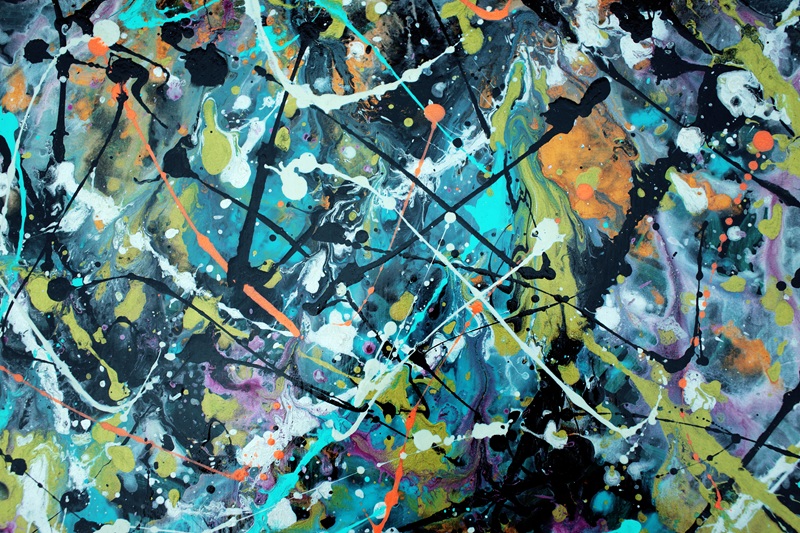
10. Splattering for expressive effects
Splattering is a more abstract technique, where you flick or throw paint onto the surface. While unconventional, it adds a dynamic, energetic vibe to your art.
Best used in:
- Abstract expressionism
- Mixed media work
- Backgrounds or visual accents
Tips for beginner oil painters
- Experiment with combinations: Mix techniques to find your own style.
- Layer correctly: Always paint "fat over lean", apply thicker layers over thinner ones.
- Use quality tools: Invest in a variety of brushes, knives, and mediums.
- Be patient: Techniques like glazing and underpainting require time for drying between layers.
There’s no single right way to apply oil paint. From precise glazing techniques to bold impasto strokes, each method brings something special to your work. By practicing and combining styles, you’ll gain confidence and eventually discover the techniques that best express your artistic vision.

Comments
Login or register to add a comment
No comments